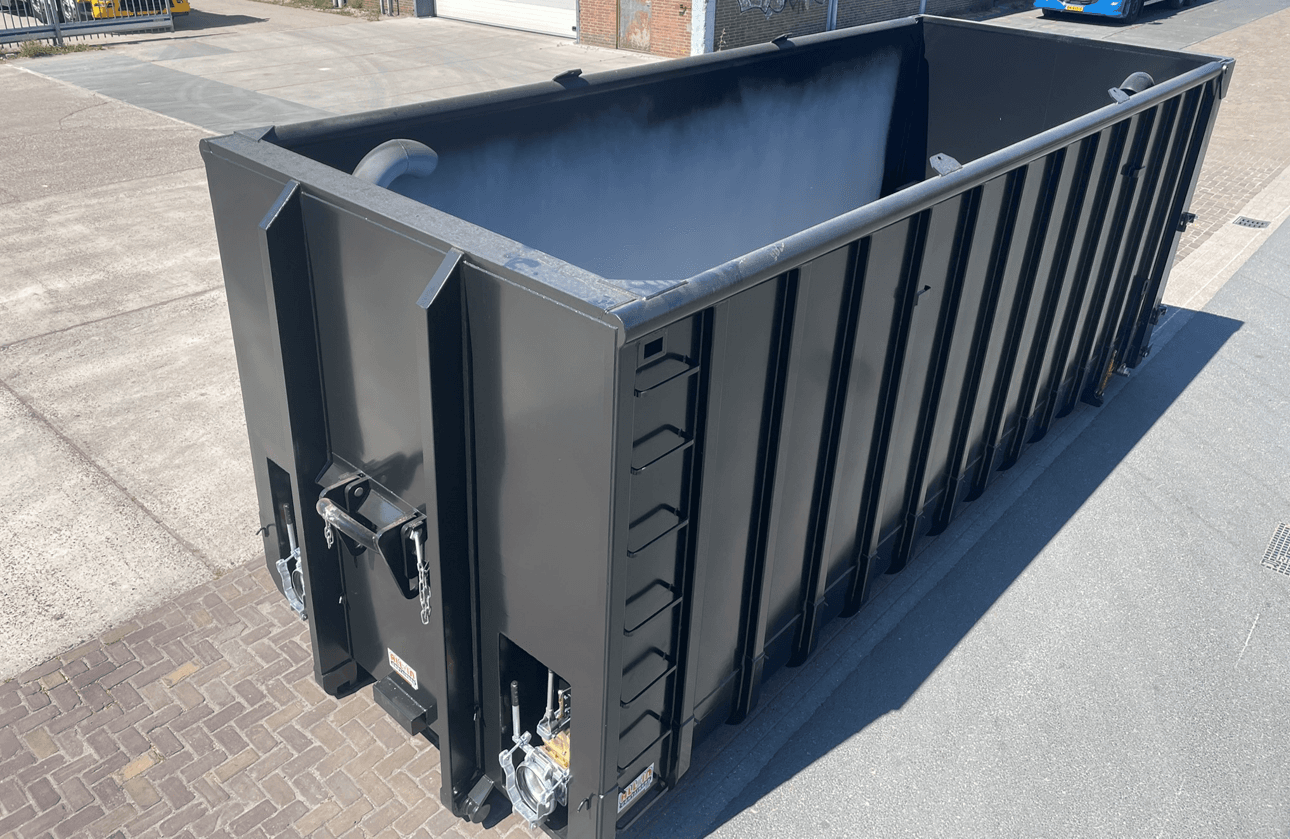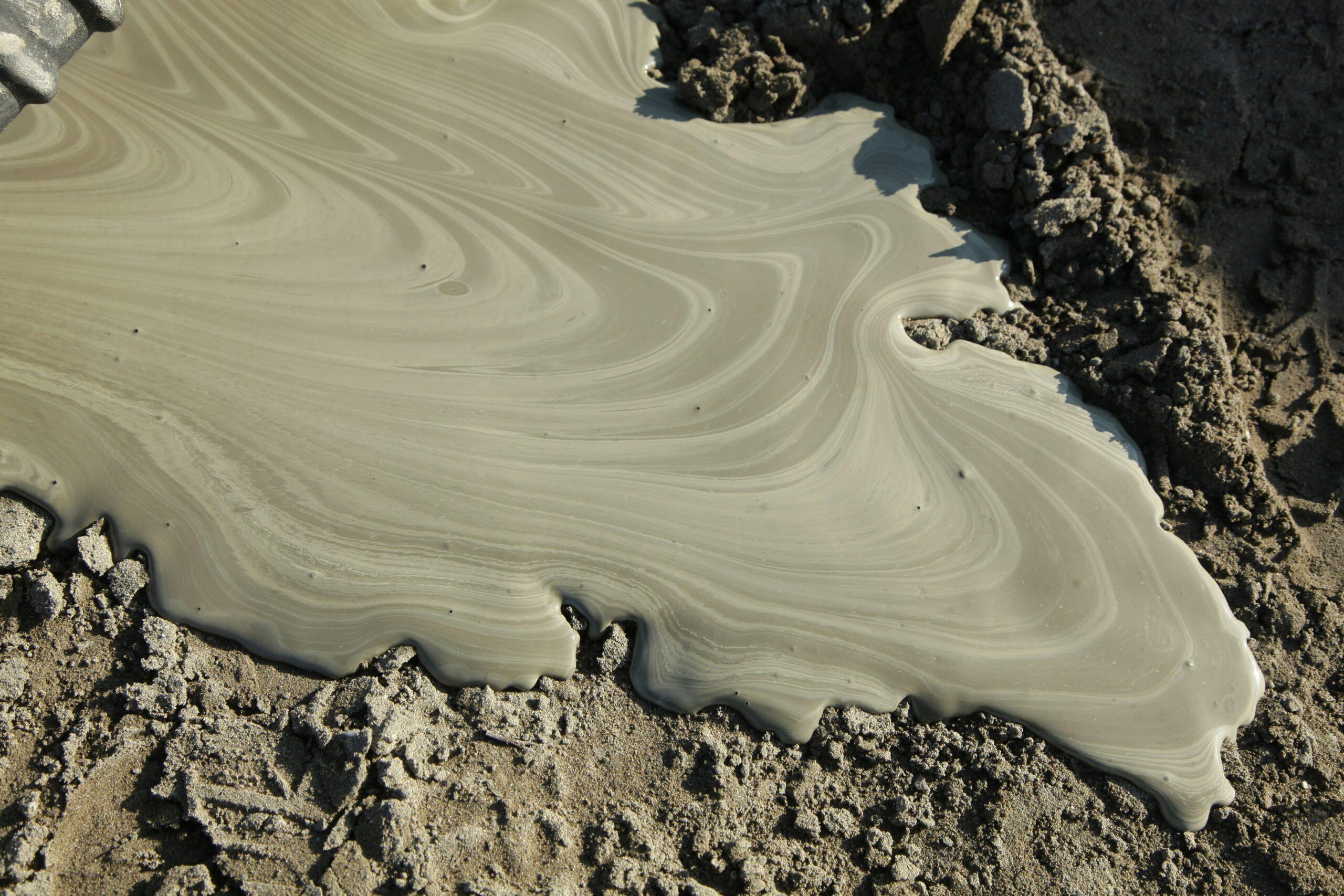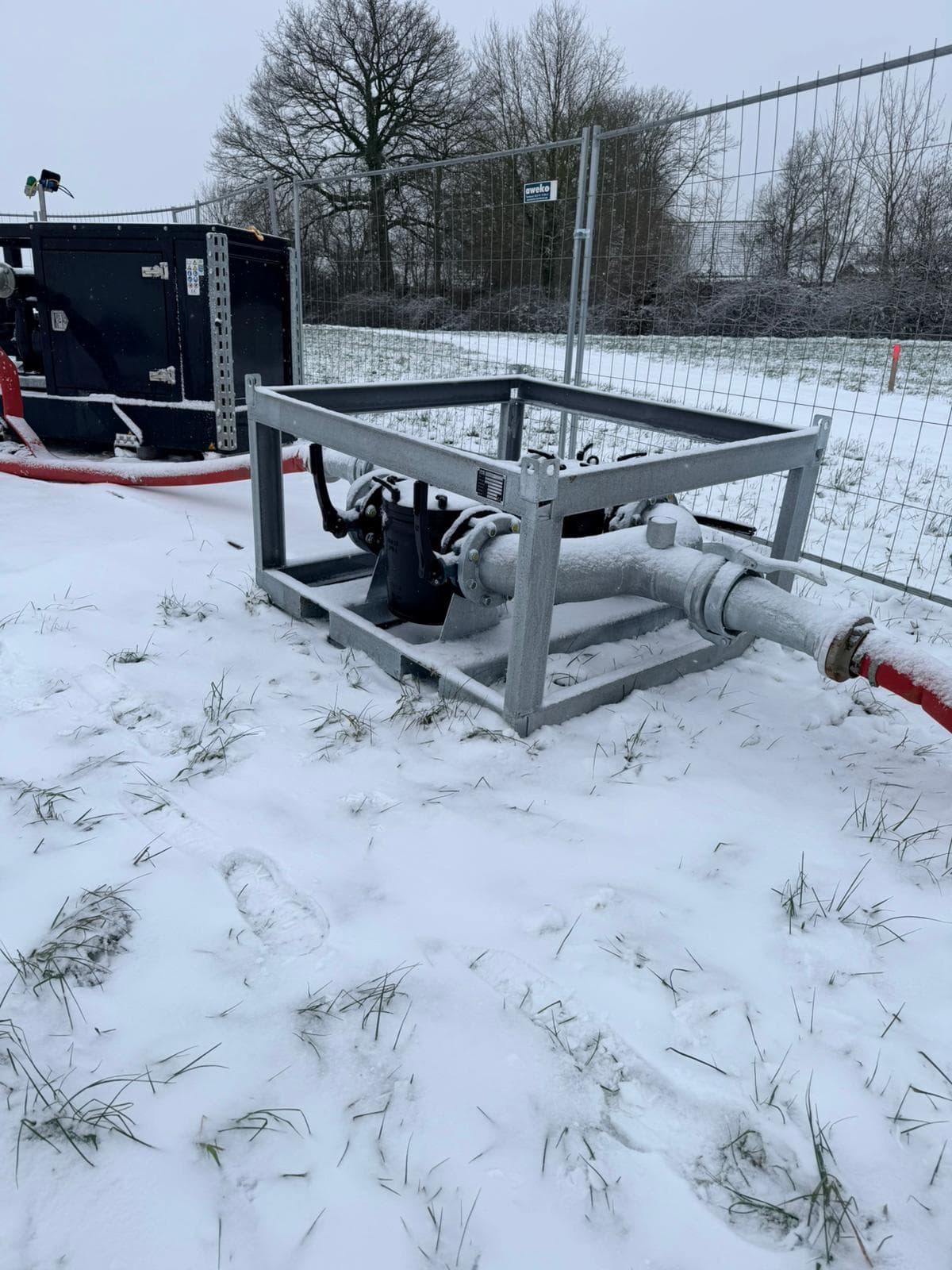
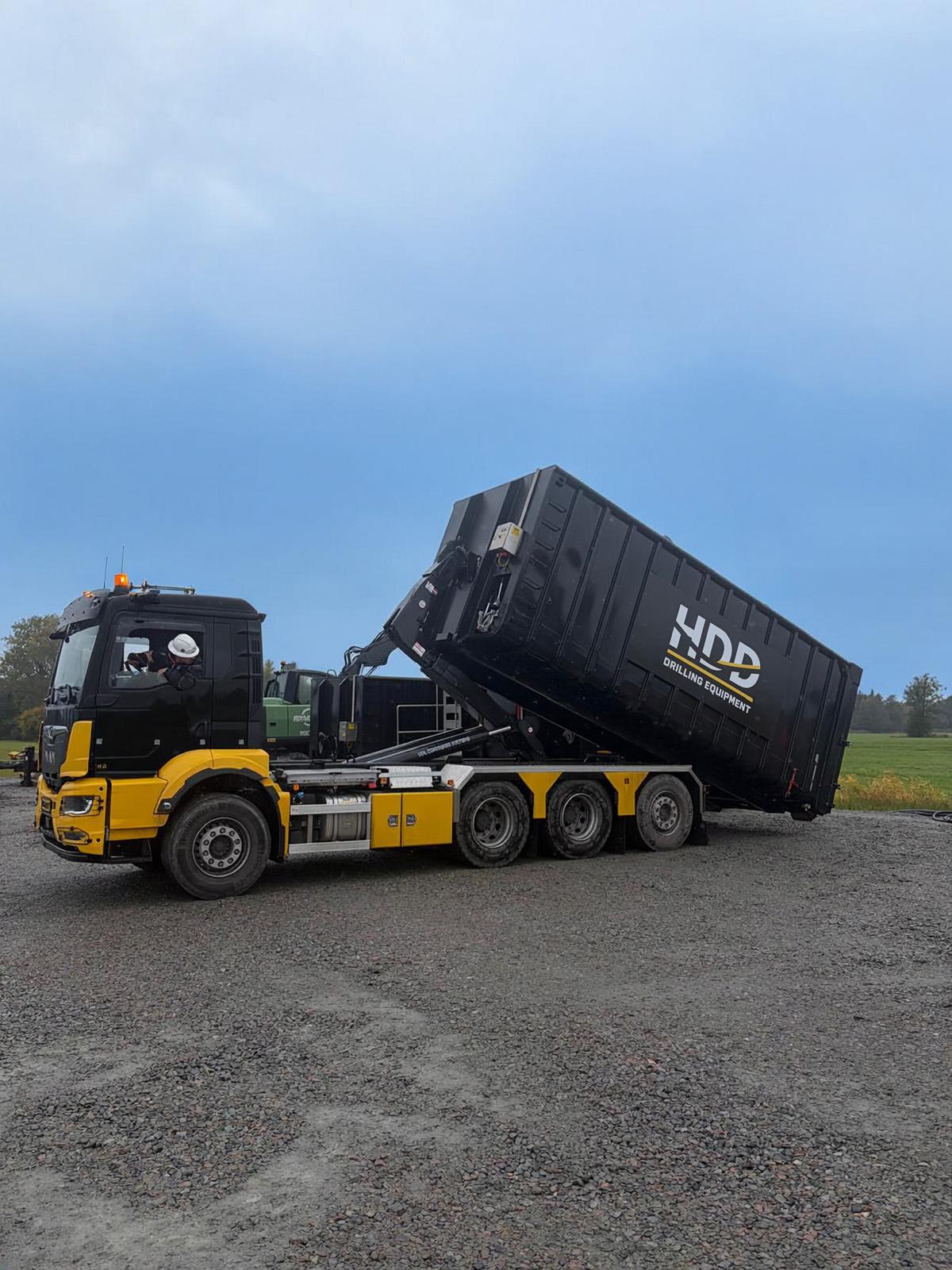
Storage is the buffer between your water supply and your pump. Too little and the rig waits for the truck. Too much and you paid for steel that stands still. A useful rule of thumb is to have enough buffer capacity to keep the drilling operation supplied while new drilling fluid is being prepared or additional water is delivered. The actual volume depends on your peak flow rate, mixing capacity, water supply and whether drilling fluid is being recycled.
Peak flow happens during the largest reaming pass. A 24 inch reamer at 1 m per minute needs about 1,200 litres per minute. Four hours of that is 288 m3 of total fluid, but with a recycler returning 65 percent, the fresh fluid you need to store is closer to 100 m3.
Calculate your peak demand
Start with the highest expected fluid demand, which will often occur during one of the larger reaming passes. Compare this demand with how quickly your mixing system can prepare new fluid.
If your pump is using fluid faster than it can be mixed, storage provides the additional buffer needed to keep the operation running.
When a recycling system is used, part of the drilling fluid can be recovered and returned to the process. This can reduce the amount of fresh fluid that needs to be prepared, depending on the efficiency of the recycling process and site conditions.
Match storage to your water supply
The way water reaches the site also affects the amount of storage you need. With a continuous water supply, less buffer capacity may be required. When water is delivered by truck, additional storage can help bridge the time between deliveries. On remote projects or sites with limited access, a larger buffer can provide more flexibility.
What to look for in a storage unit
Capacity is only part of the equation. A practical storage unit should also make it easy to monitor the fluid level and transfer drilling fluid to the rest of the system.
For larger HDD projects, storage can be combined with mixing and pumping equipment to create a setup that matches the required flow, available water supply and conditions on site.